Make Your Building Your Billboard
Last updated: June 2025
Building letters and facade logos from Anaheim Signs range from $1,500 for flat-cut aluminum letter sets to $25,000+ for large illuminated installations on multi-story buildings. We fabricate in flat-cut aluminum, fabricated metal canisters, foam with aluminum faces, and marine-grade 316 stainless steel for coastal Orange County locations (Newport Beach, Laguna Beach, Dana Point) — with wind-load engineering and permit handling included.
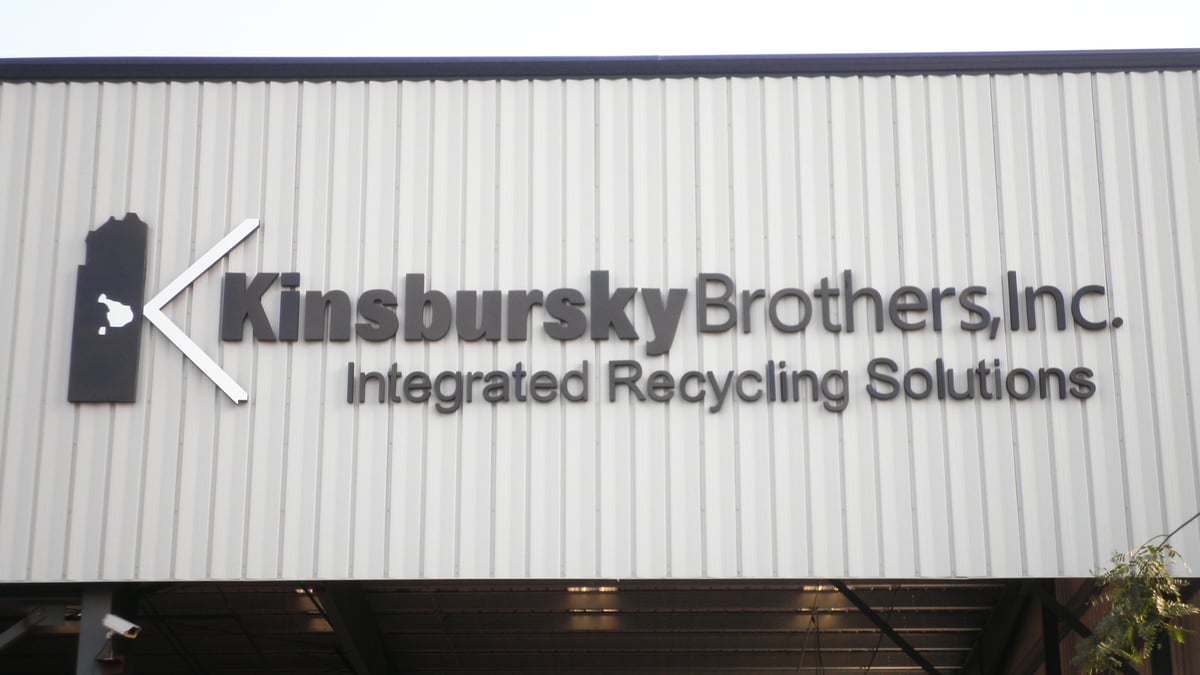
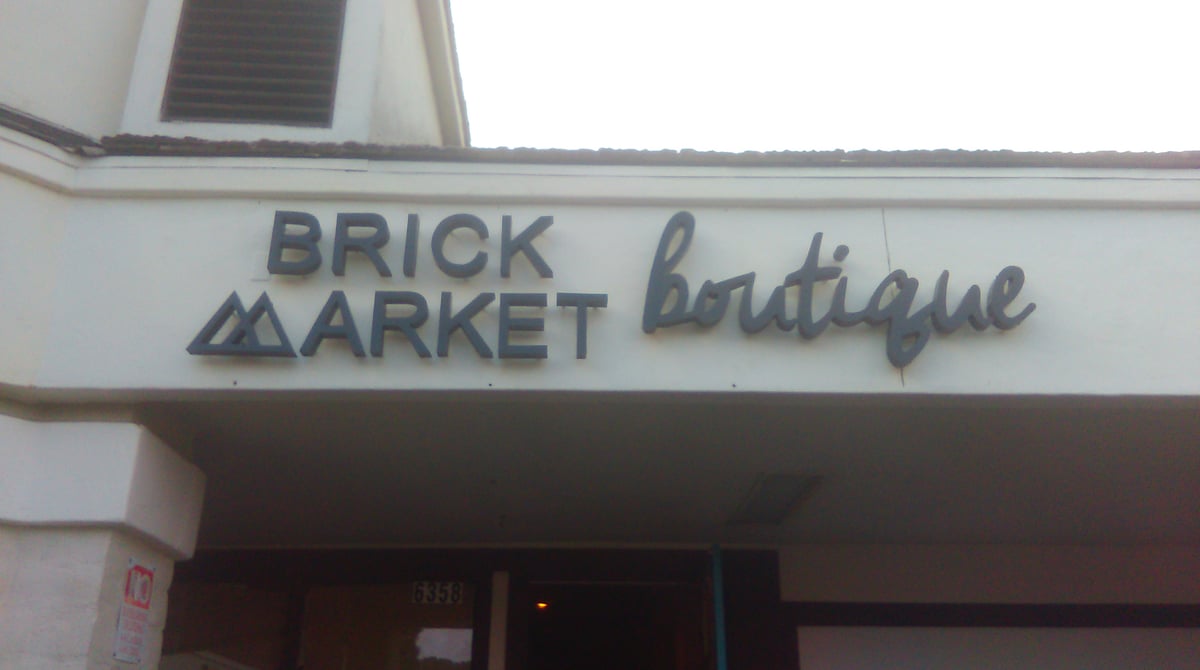
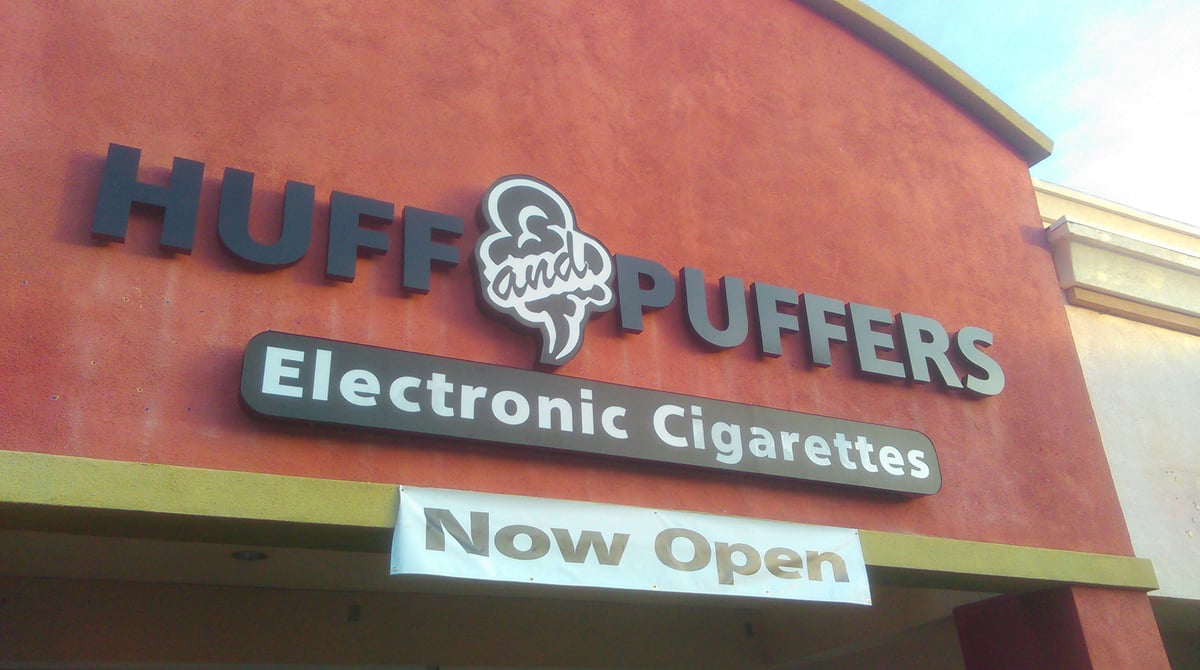
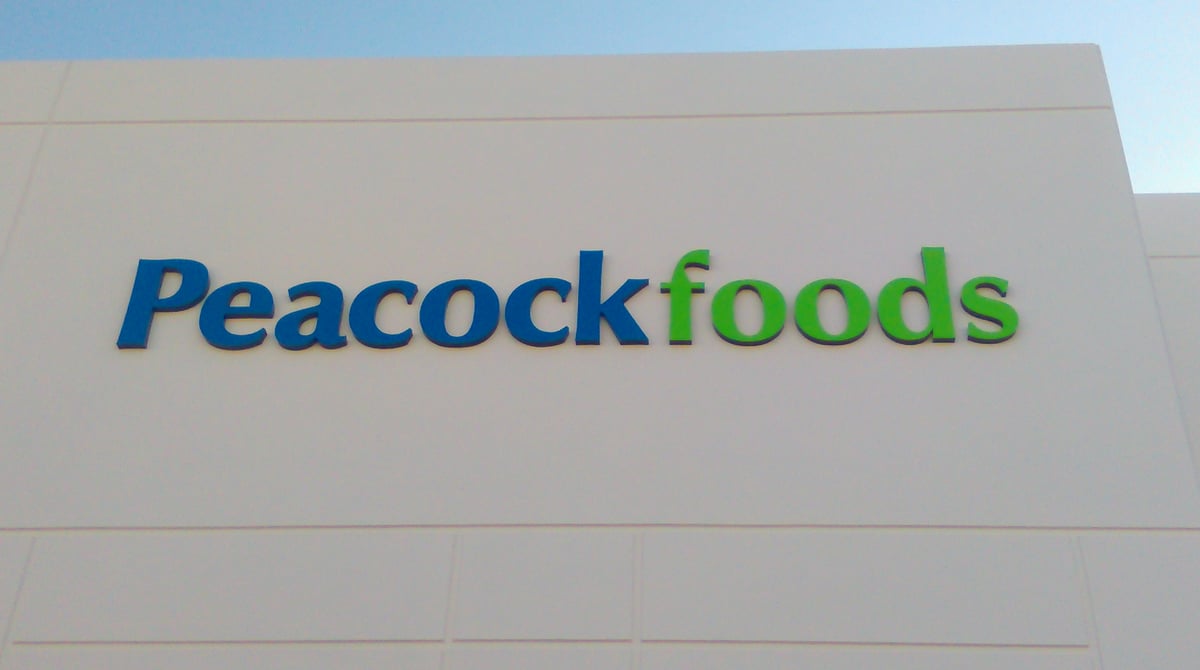
Precision CNC-routed or waterjet-cut aluminum in any font or custom shape — painted to match your brand colors with durable powder-coat finishes. Thicknesses from 1/8" to 1" for crisp, modern storefronts.
Hollow letters built from a laser-cut front face hand-welded to a formed metal return — available 2" to 6"+ deep. The hollow core accepts integrated LED lighting for face-lit or halo-lit effects.
High-density foam core bonded to an aluminum face — delivering maximum letter depth at a fraction of the weight of solid metal. We use aluminum (not acrylic) faces to prevent delamination from Orange County's thermal cycling.
Metal letters with LED illumination that shines through a colored acrylic face for nighttime visibility. UL 48 listed assemblies — required for all permitted illuminated signs in California.
316-grade stainless with added molybdenum for coastal Orange County locations — Newport Beach, Laguna Beach, Dana Point. Resists chloride-induced pitting and crevice corrosion from salt air.
Custom Pantone color matching with durable powder-coat finishes that withstand UV radiation, rain, and Southern California temperature extremes for 10–20+ years.
| Type | Typical Price Range |
|---|---|
| Flat-Cut Aluminum Letters | $1,500 – $5,000 |
| Fabricated Metal Canister Letters | $3,000 – $10,000 |
| Illuminated Push-Through Letters | $4,000 – $12,000 |
| Foam + Aluminum Face Letters | $2,500 – $8,000 |
| Marine-Grade 316 Stainless Steel | $4,000 – $15,000 |
| Large Format (10+ ft letters) | $10,000 – $25,000+ |
Prices depend on letter size, quantity, material, and mounting method. Wind-load engineering and permits included in our quotes. Free detailed estimates — call (714) 270-0322.
Every sign starts with digital vector artwork processed through CAD/CAM software. For solid flat-cut designs, we cut shapes from aluminum sheet using CNC routers or high-pressure waterjets — up to 60,000 PSI mixed with garnet abrasive — that slice cleanly through dense metal without the heat-affected zones that cause warping.
For letters requiring deeper profiles (2" to 6"+), we fabricate hollow metal canisters. A laser cuts the front face, and a precision bending machine curves a thin metal strip — called the return — to match the letter's exact perimeter. Skilled technicians hand-weld or solder these returns to the face, creating a lightweight hollow canister that can house LED modules inside.
After shaping, raw letters go through surface finishing: bead-blasting, brushing, hand-polishing, or powder-coating in curing ovens. The final powder-coat barrier is what gives outdoor aluminum letters their 10–20+ year lifespan in Southern California's harsh UV environment.
Minimum recommended stroke width: 1.5" — narrower strokes make stud anchoring and LED wiring impractical.
Orange County's diverse microclimates demand different material strategies. In coastal zones — Newport Beach, Laguna Beach, Dana Point — the air carries microscopic salt spray that rapidly pits and corrodes standard metals. These locations require marine-grade 316 stainless steel (which contains added molybdenum) or C464000 naval brass to actively resist chloride-induced corrosion along seams and exposed surfaces.
Inland cities like Orange, Tustin, Yorba Linda, and Anaheim present a different challenge: wide daily temperature swings. Many budget sign companies offer high-density foam letters faced with thin acrylic. Over years in the field, we identified a critical flaw with this combination — acrylic and foam expand and contract at very different rates when exposed to hot afternoon sun and cool nights. This thermal mismatch shears adhesive bonds, causing acrylic faces to bow, crack, and eventually delaminate.
Our solution: we bond aluminum faces to foam cores instead of acrylic. Aluminum's coefficient of thermal expansion closely matches the foam backer, eliminating the physical stress that destroys adhesive bonds. This keeps the face permanently bonded and dramatically extends the lifespan of cost-effective deep-depth letters.
Because stucco and Exterior Insulation and Finish Systems (EIFS) dominate Orange County retail plazas, proper mounting technique is critical — both for structural integrity and protecting the building's weather barrier.
Stud mounting: threaded metal rods are set into the back of each letter. Using a full-scale paper template, we drill matching holes in the stucco, fill them with structural epoxy, and press the letter studs deep into the wall so the letter sits flush. The result is a clean, modern finish that's highly vandal-resistant.
Spacer mounting: uses the same stud framework but adds plastic or metal sleeve spacers that hold the letters 1/4" to 1" off the wall. This is highly recommended for textured stucco — the offset creates a natural drop-shadow that improves readability, and keeping letters off the wall prevents dirt and rainwater from trapping behind them, which would leave dark streaks down your facade over time.
We use high-tensile stainless steel studs and structural sealant on all stucco installations to maintain the building's waterproofing envelope.
Free Consultation & Quote
Call or email us. We'll discuss your needs and provide a detailed estimate — no obligation.
Design Approval
Our in-house team creates renderings for your review. We refine until you're 100% satisfied.
Permits & Approvals
We handle all permit applications, engineering submittals, and landlord approvals.
Fabrication & Installation
We build and install your sign with our licensed crew — from start to professional finish.
Channel letters are hollow three-dimensional letters fabricated from aluminum with an acrylic face — they're typically illuminated. Building letters are solid or flat-cut letters mounted to the building facade — they can be illuminated or non-illuminated. Building letters are often used for larger, high-visibility applications on corporate campuses and industrial buildings.
We use several mounting methods depending on the building material and letter size: direct flush stud-mount (letters sit flush against the wall), spacer mount (letters stand off the wall on sleeves for a shadow effect), or raceway mount (letters attach to a metal channel). For stucco and EIFS — the most common facade in OC — we use structural epoxy and sealant in every penetration to protect the building's waterproofing envelope.
Stud mounting anchors letters flush to the wall using threaded rods set in structural adhesive — clean and vandal-resistant. Spacer mounting adds metal or plastic sleeve spacers over those rods so the letters float off the wall. We recommend spacer mounting for textured stucco: the offset creates a drop-shadow that improves readability and prevents dirt and water from trapping behind the letters.
Marine-grade 316 stainless steel is the correct choice for coastal locations like Newport Beach, Laguna Beach, and Dana Point. The added molybdenum in 316-grade stainless actively resists chloride-induced pitting and crevice corrosion from salt air. Standard aluminum or 304 stainless will show rust and pitting within a few years near the ocean.
Yes — in most Orange County cities, any permanently attached exterior sign requires a sign permit regardless of whether it's illuminated. Many locations in commercial plazas also require written approval from the landlord or property manager through a Master Sign Program (MSP) before the city will even accept a permit application. We handle all permit research and submittals.
A Master Sign Program (MSP) is a detailed document created by commercial property developers — like the Irvine Company — that specifies the allowable fonts, materials, colors, mounting styles, and projection depths for every storefront in the plaza. If your building has an MSP, your sign design must receive written landlord approval before the city will process your permit. We review the MSP as part of every project.
Yes. California requires all illuminated commercial signs to comply with UL 48 (Standard for Electric Signs). This covers proper grounding of metal components, wet-location rated LED modules and Class 2 power supplies, internal barriers against water intrusion, and accessible electrical disconnects. A municipal inspector will look for the UL listing label during final inspection — without it, they can deny your occupancy permit and require the sign to be removed.
We've fabricated and installed individual letters up to 10+ feet tall. There's no practical upper limit. Larger letters require wind-load engineering calculations and heavier structural attachments — both handled by our team.
Quality aluminum with powder-coat finishes will last 10–20+ years in Southern California's climate. Powder-coat is UV-resistant and won't fade or peel under sun exposure. Premium cast or fabricated metal signs can easily last 20–30 years with proper installation and basic annual cleaning.
We recommend a minimum stroke width of 1.5 inches. Narrower strokes make it difficult to securely mount threaded studs into the back of the letter, and there's no room to route LED wiring inside hollow canister letters. Thinner fonts may need to be scaled up or adjusted for a dimensional application.
There is no structural upper limit — we've installed individual letters over 10 feet tall. City sign codes typically regulate maximum letter height (18–36 inches in most zoning classes) and total sign area per linear foot of building frontage. We conduct a full zoning review before any design work begins.
Contact Anaheim Signs today for a free, no-obligation quote on building letters & logos. We serve all of Orange County.
Free Estimate
Drop your details below and Rick will get back to you with a free, no-obligation quote. Or call directly at (714) 270-0322.